Boulder
Boulder occupies a category of its own among Colorado cities. It is not trying to be Denver — it is genuinely, stubbornly, unapologetically itself: a city of 107,700 people where the Flatiron rock formations frame the western skyline, 45,000 acres of preserved wilderness surround the city limits, and a Michelin-starred Italian restaurant sits steps from a world-class live music venue on a pedestrian mall that locals have gathered on for generations.
Founded in 1858 as a mining camp along Boulder Creek, the city has evolved through several distinct identities — gold rush outpost, IBM company town in the 1970s, college city anchored by the University of Colorado, and now one of the most celebrated quality-of-life destinations in the American West. Along the way it has accumulated an unusual combination of assets: a nationally recognized school district, a startup and technology economy that competes with coastal hubs, 300-plus days of sunshine annually, 150 miles of hiking trails accessible from most neighborhoods, and a cultural scene that consistently punches well above its size.
Boulder is also genuinely expensive. That's not a secret, and this guide won't pretend otherwise. But for buyers who can meet the market, what Boulder offers in return — the open space, the walkability, the schools, the food, the outdoor access, the intellectual energy of a major research university woven into daily life — adds up to something that is difficult to replicate anywhere else on the Front Range. Here's everything you need to know about what life actually looks like here.
Boulder at a Glance
• Population: ~107,700 city proper; ~330,000 in Boulder County
• Location: Boulder County; ~30 miles northwest of Denver via US-36
• Elevation: ~5,430 feet above sea level
• Days of sunshine per year: 300+
• Average annual snowfall: 89 inches
• Median home sale price (2026): ~$885,000–$948,000 depending on source and time period
• School district: Boulder Valley School District (A from Niche, ranked #1 in the Denver area, #2 in Colorado)
• Open space: 45,000+ acres of preserved wilderness; 150 miles of hiking trails
• Bike infrastructure: 300 miles of bike lanes; 70 miles of paved multiuse Greenway paths
• Major employers: University of Colorado Boulder, Ball Aerospace, Google, Boulder Community Health, NCAR
• Commute to Denver: ~30 miles southeast via US-36; ~35–50 minutes depending on traffic
• University: CU Boulder, ~38,400 students, generating $3.3 billion annually for the local economy
• Notable: Named one of America's Most Artistic Towns by Expedia; Gold-Level pedestrian and cycling city
The Boulder Real Estate Market
Boulder's real estate market in 2026 is stabilizing after several years of significant appreciation — and that stabilization is creating genuine opportunity for buyers who have been waiting for the right moment. The median sale price in the City of Boulder reached approximately $885,000 in August 2026, according to the Zach Zeldner Team's market report, down about 9% year-over-year — a meaningful shift driven largely by a change in the mix of properties selling rather than any fundamental decline in the market's underlying strength.
Homes.com data reflecting the 12-month trailing period places the median sale price at $947,835, consistent with the prior year, while Zillow's July 2026 Home Value Index put the average Boulder home value at $957,377 — essentially flat year-over-year. Houzeo's May 2026 data points to a median of $915,000 with a sale-to-list ratio of 97.92%, reflecting a market where sellers are pricing competitively and most transactions are closing near asking. The CL Group's spring 2026 analysis noted inventory up 32% year-over-year — a significant increase that has given buyers meaningfully more to choose from than in recent years.
The luxury segment above $2 million showed notably stronger activity in mid-2026, even as the broader market moderated. Single-family homes in the city median in the $1.05 million to $1.15 million range, while townhomes and condos provide more accessible entry points — the median townhouse sits at $699,000 per Homes.com data, with some attached units available in the upper $300,000s.
Boulder County's broader market provides important context: the county's median home sale price reached $745,000 in March 2026, up 1.4% year-over-year according to Internaware's June 2026 market analysis — reflecting the more varied price landscape of communities including Longmont, Lafayette, and Louisville alongside Boulder proper.
Housing Styles in Boulder
Boulder's housing stock reflects more than 150 years of development across a compact city bounded on three sides by protected open space — which means new supply is genuinely constrained and existing inventory is often historic and distinctive. Mapleton Hill is one of Colorado's best-preserved historic residential districts, with Victorian, Queen Anne, and Craftsman homes dating from the 1880s through the early 1900s. The Chautauqua neighborhood features bungalows and cottages with one of the most coveted addresses in the city. Table Mesa, developed primarily in the 1960s and 1970s, offers mid-century ranch homes on tree-lined streets with excellent mountain views. Gunbarrel, on the city's northeast edge, provides a mix of 1970s through 1990s construction at more accessible price points. North Boulder has seen significant new development and renovation, with contemporary and modern builds increasingly integrated among older housing stock.
Market data sourced from: Homes.com Boulder Housing Trends (12-month rolling); Zillow Home Value Index July 2026; Houzeo Boulder 2026 Housing Market (May 2026); CL Group Boulder Real Estate Market Update May 2026 (clrealtygroup.com); Zach Zeldner Team Boulder Market Update August 2026 (zachzeldner.com); Colorado's Luxury Homes Boulder Market Update August 2026; Internaware, Boulder County Real Estate Market 2026 (June 2026).
Boulder Neighborhoods: Finding Your Fit
Boulder is divided into 10 main sub-communities, each with a distinct character and price range. Here's a guide to the major areas:
Downtown & West Pearl
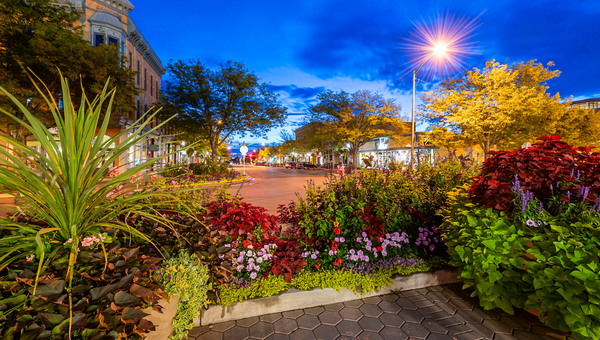
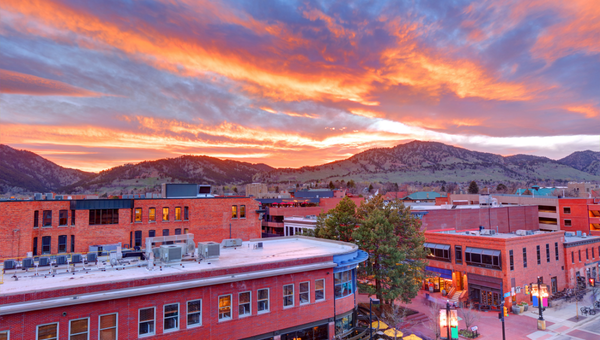
The walkable, urban heart of Boulder, downtown is centered on Pearl Street — a pedestrian mall lined with independent boutiques, bookstores, galleries, and some of the best restaurants in Colorado. The energy is distinctly Boulder: creative, intellectually charged, and physically active. Street performers, outdoor seating, and a steady flow of locals and visitors give Pearl Street a vitality that's rare in a city this size. Housing in and near downtown trends toward lofts, condos, and apartment complexes, with West Pearl adding residential density along Boulder Creek. For buyers who want maximum walkability and cultural access, downtown is the most urban option in the city.
Mapleton Hill
One of Boulder's oldest and most architecturally distinguished neighborhoods, Mapleton Hill sits just north of downtown and features streets lined with mature trees and historic homes dating to the late 1800s and early 1900s — Victorian, Queen Anne, Craftsman, and Colonial Revival styles, many meticulously preserved. It's one of the most sought-after addresses in the city, reflecting both its historic character and its walkability to downtown and the Sanitas Valley trail system. Prices reflect that demand: expect $1.2 million and above for single-family homes, with limited inventory and consistent competition for well-priced listings.
Chautauqua
Named for the historic Chautauqua Park at its edge — one of the last original Chautauqua grounds in the American West, now a National Historic Landmark — this neighborhood sits at the foot of the Flatirons on Boulder's southwest side. It is arguably the most coveted residential address in the city: quiet, tree-lined, historic, and with trailhead access to the Flatirons and Green Mountain literally at the end of the block. Housing consists primarily of bungalows and cottages with genuine historic character. Supply is extremely limited, and prices reflect it.
Table Mesa
A primarily residential neighborhood on Boulder's south side, Table Mesa offers mid-century ranch homes built largely in the 1960s and 1970s on tree-lined streets with strong mountain views. It has a quieter, more suburban feel than neighborhoods closer to downtown, with easy access to the South Boulder Recreation Center and the NCAR Mesa Trail system. It's a popular choice for families and professionals who want more space and a calmer pace while remaining within Boulder proper. Prices generally range from the high $900,000s to around $1.5 million for single-family homes.
North Boulder & the NoBo Art District
Boulder's most creatively vibrant residential area, North Boulder (locally called NoBo) has undergone significant transformation over the past two decades. The NoBo Art District designation reflects the concentration of studio galleries, artist-run spaces, and creative businesses that have taken root here alongside newer residential development. First Friday of the Month events draw residents from across the city to open studios and galleries. Housing is a mix of older ranch homes, renovated properties, and newer construction, with price points generally below Mapleton Hill and Chautauqua — making NoBo one of the better entry points into Boulder's single-family market.
University Hill
Situated adjacent to CU Boulder's main campus, University Hill is primarily a student-oriented neighborhood but contains a significant number of owner-occupied homes, particularly on its outer edges. The neighborhood's commercial strip on 13th Street hosts cafes, restaurants, and locally owned shops. For buyers who want proximity to campus and some of Boulder's more accessible price points, University Hill offers older homes typically in the $800,000 to $1.1 million range for single-family properties.
Gunbarrel
Located on Boulder's northeast edge, Gunbarrel is the city's most accessible neighborhood by price point — increasingly popular with first-time buyers and those who want Boulder's schools and lifestyle without paying central Boulder prices. Homes here were built primarily from the 1970s through the 1990s and tend to be ranch-style and two-story construction on standard lots. The neighborhood is well-connected to the rest of the city via the Boulder Creek Path and bike network, with easy access to US-36 for commuters.
Newlands
A leafy, established neighborhood just north of University Hill and west of downtown, Newlands features a mix of older character homes and more recent renovations on quiet streets close to both Pearl Street and Chautauqua Park. It appeals to buyers who want proximity to both the urban energy of downtown and the quieter foothills character of Chautauqua. Prices are generally in the $1.2 million to $2 million range for single-family properties.
Foothills & Mountain Estates
Boulder's western edge — including neighborhoods like Pine Brook Hill and Sugarloaf — offers the most dramatic scenery in the city and some of its most distinctive homes. Two-story Craftsman estates, mountain contemporaries, and custom builds on wooded lots with panoramic Flatiron and Front Range views populate this area. Listing prices range from $1.3 million to $7.5 million depending on size, lot, and location. These homes attract buyers who want genuine mountain character at proximity to downtown Boulder's amenities.
Whittier
A historic neighborhood just northeast of downtown with a diverse, community-oriented character, Whittier features older bungalows and craftsman homes at generally lower price points than Mapleton Hill or Newlands. It's one of Boulder's more walkable neighborhoods outside of downtown itself and has a genuinely engaged community feel — making it worth serious attention for buyers who want historic character and walkability at a somewhat more accessible entry point.
Outdoor Recreation: 45,000 Acres Right Outside Your Door
Boulder's outdoor access is the thing that defines it for most residents. The city has preserved more than 45,000 acres of wilderness and open space — an extraordinary commitment that reflects decades of sustained political will and community investment. From most Boulder neighborhoods, you are genuinely a short walk or bike ride from trails, meadows, mountains, and landscapes that other cities would build destination parks around.
Chautauqua Park & the Flatirons
The Flatirons — five massive tilted sandstone slabs rising from the foothills on Boulder's western edge — are the city's most iconic visual landmark and one of its most beloved recreational assets. Chautauqua Park, at the base of the Flatirons, provides trailhead access to dozens of routes of varying difficulty, from gentle meadow walks to technical rock climbing on the formations themselves. The park also contains the historic Chautauqua Auditorium, where the Colorado Music Festival is held each summer, and the Chautauqua Dining Hall — a century-old institution beloved for weekend brunch. On a clear morning, the combination of the trails, the views, and the sheer scale of the formations is genuinely hard to describe to someone who hasn't experienced it.
150 Miles of Hiking & the Open Space Network
Boulder's open space system encompasses 45,000-plus acres and connects to more than 150 miles of hiking trails accessible from within city limits or within a short drive. Mount Sanitas, just north of downtown, offers a challenging 3.5-mile loop with 1,300 feet of elevation gain and panoramic views of the plains and mountains. The Mesa Trail runs along the base of the Flatirons for nearly 7 miles, passing through meadows and forests. Green Mountain rewards hikers with 360-degree views at its 8,144-foot summit. Eldorado Canyon State Park, about 6 miles south, adds world-class rock climbing and additional trail variety.
300 Miles of Bike Infrastructure
Boulder holds a nationally recognized Gold-Level designation for its pedestrian and cycling infrastructure. The city maintains 300 miles of bike lanes and 70 miles of paved multiuse paths along its Greenway System — a network that connects neighborhoods, parks, employment centers, and the CU campus in a way that makes cycling a genuinely practical transportation choice for a meaningful portion of residents. The Boulder Creek Path, running from the mountains through the city center and into the plains, is the backbone of the network and one of the most-used recreational corridors in the state.
Boulder Reservoir
About 6 miles north of downtown, the Boulder Reservoir is a 700-acre body of water with a sandy beach and extensive recreational facilities. Swimming, paddleboarding, kayaking, windsurfing, sailing, and fishing are all popular here during the warm months. The reservoir hosts triathlons and open-water swimming events that draw participants from across the region and serves as a popular summer destination for families who want water access without leaving the area.
Rocky Mountain National Park & Day Trips
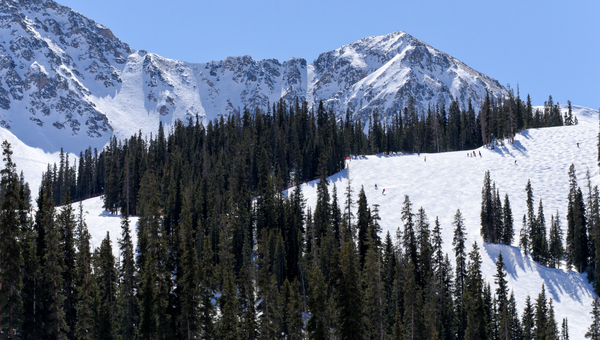
Rocky Mountain National Park is approximately 45 miles northwest of Boulder — about 75 minutes by car — and provides access to alpine tundra, 14,000-foot peaks, and 300-plus miles of trails. Eldorado Canyon and Boulder Canyon, both within 10 miles, offer rock climbing routes of international caliber. Skiing at Eldora Mountain Resort, Boulder's closest ski area, is about 21 miles west — the most accessible ski mountain from any major Front Range city. Winter Park and the Summit County resorts are 70–90 miles via US-40, adding broader ski day-trip options.
Arts, Culture & the Pearl Street Scene
Boulder was named one of America's Most Artistic Towns by Expedia — a designation that reflects both the breadth of its cultural infrastructure and the depth of its community engagement with the arts. More than 14 galleries showcase work ranging from paintings and sculpture to photography and fiber arts. Multiple theater companies, a ballet troupe, a symphony orchestra, an opera, and the Colorado Music Festival contribute to a performing arts calendar that genuinely rivals cities many times Boulder's size.
Pearl Street Mall is the city's cultural and commercial heart — a historic pedestrian mall where independent boutiques, bookshops, coffee roasters, and restaurants coexist with galleries and performance spaces. Frasca Food and Wine, an Italian restaurant from James Beard Award-winning chef Bobby Stuckey, has earned a Michelin star and helped establish Boulder as one of Colorado's premier dining destinations. Avanti and Rosetta Hall, two food halls in the downtown area, offer curated collections of local restaurant concepts in a community gathering format. The Twenty Ninth Street Mall adds national brand retail and big-box options for everyday shopping needs.
The Chautauqua Auditorium — a wooden performance hall built in 1898 and listed on the National Register of Historic Places — hosts the Colorado Music Festival each summer, a beloved tradition featuring classical, jazz, and contemporary performances against the backdrop of the Flatirons. The Boulder Museum of Contemporary Art (BMoCA) offers rotating exhibits featuring regional and national artists. The annual Pearl Street Arts Festival brings hundreds of local and regional artists downtown each summer.
North Boulder's NoBo Art District adds another creative layer, with studio galleries and working artists' spaces that open each First Friday to the broader community. The Street Wise Mural Festival installs large-scale public art throughout the city each year, and hundreds of existing murals are woven into downtown's built environment in a way that makes simply walking Boulder's streets a visual experience.
CU Boulder shapes the city's cultural calendar in ways that extend well beyond the campus. Folsom Field, seating more than 50,000 fans, becomes the center of Boulder's social universe on football Saturdays in the fall. The university's concert series, film screenings, lecture programs, and athletic events are integrated into city life and open to community members as well as students and faculty.
Jobs & the Boulder Economy
Boulder's economy is one of the most dynamic and diversified on the Front Range, anchored by aerospace, bioscience, technology, clean energy, and higher education. John Tayer, President and CEO of the Boulder Chamber of Commerce, has described Boulder as 'uniquely positioned to be successful within national leaders' and notes a strong pipeline of startups that have grown into international brands — a pattern that has repeated across multiple economic cycles.
Ball Aerospace, headquartered in Boulder, is one of the city's largest private employers and a nationally significant contractor for satellite and spacecraft systems. Google maintains a substantial Boulder office. Boulder Community Health is a major regional healthcare provider and significant employer. The National Center for Atmospheric Research (NCAR) and NOAA's Earth System Research Laboratory bring federal scientific employment that reinforces Boulder's identity as a research hub.
CU Boulder's $3.3 billion annual economic footprint is the city's single largest economic driver, supporting thousands of direct jobs and an expansive ecosystem of spinout companies and research commercialization. The university's programs in aerospace, environmental science, engineering, and business consistently rank among the top in the country and produce a pipeline of talent that fuels Boulder's startup culture.
For residents who work in Denver, the commute via US-36 runs approximately 30 miles and typically takes 35–50 minutes. The RTD express bus service on the US-36 corridor provides an alternative for those who prefer not to drive.
Boulder Weather: What to Expect
Boulder's climate is semi-arid and four-season, with more than 300 days of sunshine annually and the dramatic weather swings that come from sitting at the foot of the Rocky Mountains. Summers are warm and dry, with average highs in the mid-80s that feel comfortable due to low humidity and reliable cooling from evening mountain breezes. Winters bring genuine cold and snow — Boulder averages 89 inches of annual snowfall — but sunshine between storms and the city's strong snow response infrastructure keep daily life manageable.
The most distinctive weather feature of living in Boulder is the Chinook winds — warm, dry winds that descend from the Rocky Mountains and can raise temperatures dramatically in a matter of hours, sometimes melting a foot of snow by afternoon. These winds keep winters from feeling relentless, but can also bring significant gusts that occasionally affect power and trees.
Certain areas on Boulder's western edge — particularly the foothills neighborhoods — are in designated wildfire interface zones. The Boulder Fire-Rescue Department maintains a dedicated Wildland Division, and the city has invested significantly in wildfire mitigation. Buyers considering foothills and mountain-edge properties should research fire risk ratings, defensible space requirements, and insurance availability for specific parcels.
Cost of Living in Boulder
Boulder is the most expensive city on Colorado's Front Range, and it's not particularly close. Median home prices near or above $900,000 in the city proper, combined with rental costs that consistently exceed Denver averages, make Boulder a market that requires either a strong income, significant equity from a prior home sale, or a deliberate trade-off decision.
For buyers relocating from San Francisco, New York, Seattle, or Los Angeles, Boulder's prices can feel like meaningful value — you get more space, more outdoor access, and a demonstrably higher quality of life per dollar than those markets typically provide. For buyers moving from within Colorado or from lower-cost regions, the sticker shock is real, and a careful budget analysis matters before falling in love with the lifestyle.
The broader Boulder County market offers considerably more accessible options. Communities including Louisville, Lafayette, Longmont, Superior, and Erie all sit within Boulder County and within easy range of Boulder's amenities, at median prices ranging from $580,000 to $830,000 depending on the community. For buyers who want proximity to Boulder without Boulder prices, these communities deserve serious consideration.
Colorado's flat 4.4% income tax rate and relatively favorable property tax structure help at the margins. The city's walkability and bike infrastructure meaningfully reduce transportation costs for residents who can leverage them.
Things to Know Before You Move
• Supply is genuinely constrained. Boulder is surrounded on three sides by protected open space, which means the city cannot expand outward. New supply is limited, existing inventory is competitive, and well-priced properties in desirable neighborhoods move quickly. Working with a knowledgeable local agent is essential.
• The 'Boulder Bubble' is real. Boulder has a distinctive culture — progressive, outdoors-oriented, highly educated, and relatively affluent — that not everyone loves. Spend time here before committing to make sure it fits who you are, not just what you want your lifestyle to look like.
• CU Boulder shapes the city's energy year-round. Football Saturdays transform the city. The school year creates seasonal rhythms in restaurant traffic, event attendance, and neighborhood density near campus.
• Wildfire risk is real and growing. If you're considering foothills or mountain-edge properties, research fire risk ratings carefully and verify insurance availability and costs before making an offer.
• Altitude is higher than Denver. At 5,430 feet, Boulder sits higher than much of the metro. Most newcomers from sea level experience a brief adjustment period of a few days to a week.
• The bike culture is not performative. A meaningful portion of residents genuinely commute by bike year-round, including through winter. The infrastructure supports it, and you may find yourself driving significantly less than you expected.
• Parking downtown requires strategy. Pearl Street and surrounding blocks have structured parking garages and metered street parking, but arriving by bike or on foot is genuinely easier for most downtown visits.
• The dining scene is legitimately excellent. Frasca's Michelin star is the headline, but the broader Pearl Street and downtown food culture reflects a community that takes food seriously — farm-to-table, diverse cuisine, strong local coffee roasters.
Ready to Find Your Home in Boulder?
Boulder does not fit everyone's budget, and it does not try to. What it offers instead — 45,000 acres of open space woven into daily life, a school district that consistently leads the state, a Pearl Street dining and arts scene that belongs in a city three times its size, 300 days of sunshine, and a community that has made a sustained, decades-long commitment to quality of life over growth for growth's sake — is something genuinely rare on the American landscape.
For buyers who can meet the market, Boulder consistently exceeds expectations. For those who want proximity to what Boulder offers at a more accessible price point, the broader Boulder County communities of Louisville, Lafayette, Longmont, and Superior provide meaningful alternatives that share the same regional character without the full Boulder price premium.
If you're exploring a move to Boulder or anywhere across the Colorado Front Range, the team at Shift Real Estate is here to help. We know these communities, the nuances between neighborhoods and sub-markets, and what it takes to navigate one of Colorado's most competitive real estate markets successfully.
Reach out today to start your Boulder home search.
Sources: Homes.com Boulder City Guide and Housing Trends (12-month rolling) | Zillow Home Value Index July 2026 | Houzeo Boulder 2026 Housing Market (May 2026) | CL Group Boulder Real Estate Market Update May 2026 (clrealtygroup.com) | Zach Zeldner Team Boulder Market Update August 2026 (zachzeldner.com) | Colorado's Luxury Homes Boulder Market Update August 2026 (coloradosluxuryhomes.com) | Internaware, Boulder County Real Estate Market 2026 (June 2026) | BoulderColorado.com Housing Market 2026 | Boulder Chamber of Commerce | Boulder Fire-Rescue Department | Colorado Music Festival (comusic.org) | Visit Boulder (bouldercoloradousa.com)
Read More