Everything you need to know about Fort Collins
Fort Collins has a lot of identities, and it wears all of them well. It's a college town anchored by Colorado State University, home to more than 33,000 students and one of the most recognized research universities in the Mountain West. It's the self-proclaimed Craft Beer Capital of Colorado, with over 20 award-winning breweries packed into a city of 175,000 people. It's the Cultural Capital of Northern Colorado, with six live theater stages, a symphony, a ballet, and an opera. And it's one of the most bike-friendly cities in the entire country, with over 200 miles of bike lanes and trails weaving through every corner of town.
But maybe the most honest way to describe Fort Collins is this: it's a city that has figured out how to be genuinely livable. The outdoor access is real and effortless. The downtown is walkable and human-scaled. The schools are strong. The job market is diverse. And there's a creative, sustainability-minded culture here that makes it feel less like a typical Colorado suburb and more like a place with a real identity.
If you're considering a move to Northern Colorado, Fort Collins is consistently one of the top-ranked cities in the state for quality of life — and for good reason. Here's everything you need to know about what life actually looks like here.
Fort Collins at a Glance
• Population: 175,000+ city proper; one of Colorado's largest cities
• Location: Larimer County; ~65 miles north of Denver via I-25
• Elevation: ~4,984 feet above sea level
• Average days of sunshine per year: 300+
• Average summer high: 88°F | Average annual snowfall: ~35 inches
• Median home price (2026): ~$564,000–$580,000 depending on source
• School district: Poudre School District (rated A by Niche, 7th best in Colorado)
• Bike infrastructure: 200+ miles of bike lanes and multiuse trails
• Major employers: Colorado State University, UCHealth, Advanced Energy, Poudre School District, Woodward
• Craft breweries: 20+ award-winning breweries; home to New Belgium Brewing and Odell Brewing
• Notable fact: Fort Collins' Old Town is widely credited as the real-life inspiration for Disneyland's Main Street USA
The Fort Collins Real Estate Market
Fort Collins' real estate market in 2026 is best described as balanced and recalibrating — a welcome shift for buyers after several years of intense competition. Median home prices across the city are running in the $564,000–$580,000 range depending on the data source and time period. According to Houzeo's April 2026 market data, the median sale price in Fort Collins was approximately $564,000, with homes selling in around 48 days and a sale-to-list ratio near 99%.
Zillow's June 2026 home value index placed the average Fort Collins home value at approximately $569,000, down about 1% year-over-year — consistent with the broader pattern of modest, healthy softening across the Northern Colorado market. Local market analysts at The Levi Group note that the spring 2026 market showed median closed sales near $530,000–$535,000, with about 31% of active listings seeing price reductions — a signal of seller recalibration rather than any fundamental market weakness.
What this means for buyers: more time to make decisions, more room to negotiate in the mid-price range, and a more realistic path to ownership than the frantic market of 2021–2022. Homes in the most desirable areas — particularly Old Town — continue to move quickly and hold value well. South Fort Collins and newer suburban areas near Timnath offer more options at a range of price points, including new construction.
Housing Styles in Fort Collins
Fort Collins' housing stock reflects over 150 years of development. Old Town's historic core is filled with Victorian, Craftsman, and early-20th-century bungalows — many with original woodwork, wide front porches, and century-old trees. The neighborhoods surrounding CSU have a mix of classic character homes and more modest mid-century construction. Midtown Fort Collins offers split-levels, ranches, and contemporaries from the 1970s through 1990s. South Fort Collins and the newer eastern developments like Bucking Horse, Rigden Farm, and the Timnath corridor feature modern traditional, Craftsman-inspired, and contemporary builds from the 2000s onward, often with master-planned community amenities.
Market data sourced from Houzeo Fort Collins Housing Market April 2026; Zillow Home Value Index June 2026; The Levi Group Fort Collins Home Prices Spring 2026 (thelevigroup.net); Homes.com Fort Collins City Guide; Movoto Fort Collins Market Trends May 2026.
Fort Collins Neighborhoods: Finding Your Fit
Fort Collins is a city of distinct neighborhoods, each with a different feel and price point. Here's a guide to the major areas:
Old Town
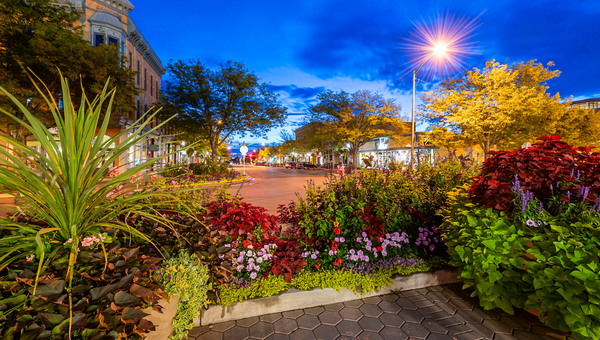
The undisputed heart of Fort Collins and one of the most beloved downtowns in Colorado. Old Town's historic core features wide streets originally laid out for horse-drawn carriages, lined with locally owned restaurants, breweries, boutiques, bookstores, comedy clubs, and galleries. The architecture ranges from Victorian storefronts to Craftsman bungalows, and the neighborhood is genuinely walkable in a way that most Colorado communities are not. Homes in Old Town command premium prices and hold value exceptionally well due to the absence of new developable land. It's the most sought-after address in the city, and demand consistently outpaces supply.
A piece of Fort Collins trivia worth knowing: Old Town is widely credited as the real-life inspiration for Disneyland's Main Street USA. Walt Disney himself allegedly based the design on his visits to Fort Collins — a distinction locals take quiet pride in.
Midtown Fort Collins
The commercial and residential corridor running south from Old Town along College Avenue, Midtown is where you'll find Foothills Mall (with 29 stores and 14 restaurants), big-box grocery anchors, and a mix of established residential neighborhoods. Areas like Troutman Park and The Landings offer mid-range single-family homes with convenient access to both downtown and I-25. It's a practical choice for commuters and buyers looking for more space at lower price points than Old Town.
CSU-Adjacent & City Park Neighborhoods
The neighborhoods surrounding Colorado State University — including areas near City Park — blend character homes with high walkability. These areas are popular with university faculty, young professionals, and investors, and offer classic architecture, mature trees, and proximity to both campus and downtown. It's a neighborhood type that tends to attract people who want urban access without paying Old Town prices.
Prospect at Spring Meadows
A well-regarded midtown neighborhood centered around Mallard's Nest Natural Area, Prospect at Spring Meadows appeals to buyers who want a suburban feel within easy reach of downtown and CSU. The Spring Creek Trail runs through the area, and the neighborhood's mix of ranch homes, split-levels, and townhomes offers entry points across a wide range of price points — from condos in the $300,000s to ranch-style homes in the $600,000s to $700,000s.
South Fort Collins: Huntington Hills, Fossil Lake Ranch & Beyond
The south side of Fort Collins is where newer, larger homes tend to be concentrated. Huntington Hills is an established, upscale neighborhood with large homes on tree-lined streets and a strong sense of community. Fossil Lake Ranch is one of the city's premier neighborhoods for luxury buyers, offering spacious homes, larger lots, and a quiet, established feel. These areas are popular with families and professional households who want more space and easy access to I-25 for commuting.
Bucking Horse & Eastern New Development
Located in east Fort Collins, Bucking Horse is a master-planned community known for its access to trails, neighborhood pool, and proximity to Jessup Farm Artisan Village — a popular local gathering spot with coffee, restaurants, boutique shopping, and ice cream. Homes here tend toward newer modern traditional construction. The adjacent Timnath corridor offers additional new construction options for buyers who want turnkey homes at the edge of the Fort Collins metro.
North Fort Collins
North Fort Collins is the value pocket of the city — larger lots, quieter streets, and generally lower price points than the south or Old Town neighborhoods. It's a popular choice for first-time buyers and families who want room to grow, and it offers easy access to the Poudre River trail system and natural areas.
Outdoor Recreation: Built Into Daily Life
One of the things that consistently surprises people who move to Fort Collins is how effortless outdoor access becomes. This isn't a city where you drive an hour to get to nature — the trails, the reservoir, and the river are woven into the daily fabric of life here in a way that makes getting outside feel like a habit, not an event.
Horsetooth Reservoir
The crown jewel of Fort Collins outdoor recreation, Horsetooth Reservoir spans 1,900 acres just west of the city's suburbs. Swimming, boating, paddleboarding, kayaking, cliff jumping, and fishing are all popular here during the warm months. The Horsetooth Mountain Open Space surrounding the reservoir adds more than 20 miles of trails for hiking, mountain biking, and trail running, with elevation gains that range from gentle to genuinely challenging. On summer weekends, Horsetooth is where Fort Collins comes to play.
Poudre River & River Trails
The Cache la Poudre River — the only Wild and Scenic River in Colorado — runs northeast of downtown through natural areas alongside walking and biking trails. The Poudre River Trail stretches for miles, connecting city parks, natural areas, and the broader trail network. The river also offers whitewater kayaking and fly fishing for those who want to get in the water rather than next to it.
Spring Creek Trail
One of Fort Collins' most beloved multiuse paths, the Spring Creek Trail runs approximately 14 miles from Riverbend Ponds Natural Area to Spring Canyon Park, connecting parks, neighborhoods, and recreation areas throughout the city. It passes through the Gardens on Spring Creek — a 20-acre botanical garden that hosts outdoor concerts in summer and a beloved holiday lights display in winter.
200+ Miles of Bike Infrastructure
Fort Collins is one of the most bike-friendly cities in the United States, with over 200 miles of roadside bike lanes and dedicated trails throughout the city. Biking to work, to Old Town, or to the brewery district is not aspirational here — it's routine. According to Homes.com, longtime local residents regularly commute by bike, and the culture strongly supports cycling as practical transportation rather than just recreation. The city scores a 70 out of 100 on the bikeability scale from Local Logic.
Rocky Mountain National Park
Rocky Mountain National Park is approximately 45 miles west of Fort Collins — about a 70-minute drive — and offers some of the most spectacular alpine scenery in North America. The park's 415 square miles include more than 300 miles of trails, 150 lakes, and elevations ranging from 7,860 to 14,259 feet. Trail Ridge Road, the highest continuous paved road in the US, runs through the park and offers drive-up access to tundra landscapes above 12,000 feet. For Fort Collins residents, RMNP is the ultimate backyard escape.
Arts, Culture & the Craft Beer Scene
Fort Collins takes its title as the Cultural Capital of Northern Colorado seriously. The Lincoln Center is the region's largest performing arts venue, hosting nationally touring Broadway productions, concerts, dance performances, and local theater throughout the year. The city also supports six live theater stages, a symphony orchestra, a ballet company, and an opera — a breadth of cultural programming that far exceeds what you'd expect from a city this size.
The First Friday Art Walk in Old Town is a monthly event that opens galleries and studios to the community, with local artists displaying work in storefronts along the historic streets. The Gregory Allicar Museum of Art on the CSU campus adds a university-caliber collection to the city's cultural landscape.
The craft beer scene here is both nationally recognized and deeply woven into the community's identity. New Belgium Brewing — the maker of Fat Tire and one of the largest craft breweries in the country — was founded in Fort Collins in 1991 and remains headquartered here. Odell Brewing Co., also Fort Collins-based, is another nationally distributed brand with deep local roots. The city's 20+ breweries earned it the nickname the Napa Valley of Beer, and the taproom culture is a genuine social institution rather than just a tourist draw.
CSU adds another layer of cultural energy throughout the year. The Live! at CSU free concert series draws crowds from across the city on Friday evenings in the fall. The Lagoon Concert Series, held Wednesdays in June and July, brings the campus lake area alive with music and community. The Annual Flower Trial Gardens, managed by CSU's horticulture department, display hundreds of floral varieties and are open to the public — a surprisingly delightful Fort Collins gem.
Jobs & the Fort Collins Economy
Fort Collins has a diverse and relatively resilient economy anchored by education, healthcare, technology, and manufacturing. Colorado State University is the city's largest employer, with a workforce of thousands and an economic footprint that extends well beyond the campus. UCHealth Poudre Valley Hospital is a major regional healthcare provider and significant employer. Advanced Energy Industries, a Nasdaq-listed technology company headquartered in Fort Collins, is a major private sector employer in the precision power conversion space. Woodward, Inc. — a global industrial technology company — also maintains significant operations in the city.
Fort Collins has attracted growing interest from remote workers, drawn by the combination of outdoor lifestyle, walkable downtown, strong schools, and a lower cost of living than Denver or Boulder. The city's college-educated population — 56.4% hold degrees, compared to 34.1% nationally — supports a knowledge economy that has proven resilient across economic cycles.
For those willing to commute, Denver is about 65 miles south on I-25, making Fort Collins accessible to the full breadth of the Denver metro job market for those who work a hybrid or occasional schedule.
Fort Collins Weather: What to Expect
Fort Collins enjoys more than 300 days of sunshine annually, with warm, dry summers and winters that are cold but typically manageable. Average summer highs run around 88°F, with low humidity that makes the heat feel less intense than it does in more coastal climates. Evenings cool significantly — a characteristic of Colorado's high-altitude, semi-arid climate — making summer nights comfortable even when afternoons are warm.
Winters bring cold temperatures and snow, with an average annual snowfall of around 35 inches — slightly less than Denver. As with most of Colorado, snow tends to melt quickly thanks to the plentiful sunshine and dry conditions. It's not uncommon to have a significant snowstorm followed by clear skies and milder temperatures within a day or two.
Fort Collins sits at a lower elevation than Denver (just under 5,000 feet), which means altitude adjustment is real but typically less dramatic than for cities higher on the Front Range. Newcomers from sea-level locations should still expect a brief period of acclimatization.
Cost of Living in Fort Collins
Fort Collins sits above the national average on cost of living, driven primarily by housing — but it remains notably more affordable than Boulder (about 40 miles south) and the core Denver metro, while offering many of the same lifestyle qualities. For buyers relocating from coastal markets, Fort Collins can represent a meaningful improvement in purchasing power.
The median household income in Fort Collins is approximately $71,900, which runs slightly below the national average — reflecting the significant student and young-professional population. The average household income of approximately $99,000 tells a fuller story of the earning power among working households. Colorado's flat 4.4% state income tax and relatively moderate property taxes contribute to the overall affordability picture.
Everyday costs — groceries, dining, entertainment — are generally in line with national norms, and the city's walkability and bike infrastructure reduce transportation costs for residents who can leverage them.
Things to Know Before You Move
• The bike culture is real — and genuinely encouraged. If you plan to bike regularly, invest in a quality setup early. You'll use it far more than you expect.
• CSU shapes the city in meaningful ways. The academic calendar affects restaurant traffic, event schedules, and neighborhood energy throughout the year. If you live near campus, expect busier summers and more activity during the school year.
• Old Town inventory is tight. If Old Town is your priority, be prepared to move quickly when something comes available and to pay a premium relative to the rest of the city.
• The Poudre River is a genuine outdoor asset — including for whitewater kayaking in spring runoff season, which draws paddlers from across the region.
• New Belgium and Odell are both Fort Collins institutions worth visiting on arrival. The taprooms are gathering places, not just tasting rooms.
• Liberty Common School is one of the most competitive charter schools in Colorado and has a waitlist. If school choice is a priority, research enrollment timelines early.
• The Denver commute is real. At 65 miles, Fort Collins is doable as a hybrid commute city but less practical for daily Denver office work than communities closer to the metro.
Ready to Find Your Home in Fort Collins?
Fort Collins is one of those cities that earns genuine loyalty from the people who live there. The combination of a walkable, character-filled downtown, world-class outdoor access, a strong university presence, excellent schools, and a creative community culture adds up to something that's increasingly hard to find: a city with a real sense of itself.
Whether you're drawn by the trails, the breweries, the schools, or simply the quality of life that Northern Colorado offers, Fort Collins has a way of exceeding expectations — and making people wonder why they didn't move sooner.
If you're exploring a move to Fort Collins or anywhere across the Colorado Front Range, the team at Shift Real Estate is here to help. We know the neighborhoods, the market nuances, and what it takes to find a home that fits your life.
Reach out today to start your Fort Collins home search
Sources: Houzeo Fort Collins Housing Market April 2026 | Zillow Home Value Index June 2026 | The Levi Group, Fort Collins Home Prices Spring 2026 (thelevigroup.net, May 2026) | Movoto Fort Collins Market Trends May 2026 | Homes.com Fort Collins City Guide | Niche.com school and district ratings | Poudre School District (psdschools.org) | Little Guys Movers, 'Moving to Fort Collins: A Local's Guide' (May 2026) | AD Mortgage Fort Collins Neighborhoods Guide (March 2026) | All Avenue Real Estate, 'Best Neighborhoods in Fort Collins' (April 2026) | Local Logic bikeability data via Homes.com
Shift Real Estate Listings

© 2026 Shift Real Estate
DMCA Notice | Terms & Services | Privacy Policy | Accessibility Statement
EQUAL HOUSING OPPORTUNITY



Shift Real Estate
PO Box 2015, Castle Rock, CO 80104
Mobile: 303-587-0312
diane@shift.realestate